
LEADER
- dhruvkumar37890
- Jun 14, 2021
- 5 min read
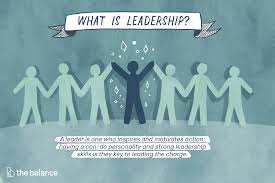
(1)A leader should make his men want him. He should make his people accept him freely, willingly and eagerly. He should influence their thinking, shape their ideas and direct their actions to achieve the required objective.
(2) An aspiring leader should, as a rule, avoid finding faults with others. He should never categorically and dogmatically declare that another individual is wrong No doubt, one delights in finding faults with others, blaming others and catching others in the wrong But don't forget that right and wrong are in most cases a relative concept. When you are out to prove another person wrong. you start with a serious handicap, you can let in all the evidence, quote all the books, produce witnesses and establish your point all right. But in spite of all that you would not have convinced the other individual that he or she was on the wrong or did the wrong thing Since you have failed to convince the individual, you cannot influence the party.
(3) On the other hand, in your eagerness to prove him wrong, you will only earn his enmity and hatred. His ego will be aroused. He will defend himself at any cost. Since you are striking a deadly blow at his self respect, pride, intelligence and judgement, he will protest and oppose you tooth and nail. Although you are right, never try to prove it to him. Never challenge him. Never hurt his self esteem and pride. If we aspire for leadership and recognition, we should follow the advise that Lord Chesterfield gave to his son "Be wiser than other people if you can, but do not tell them so."
(4) This does not mean that we should never point out the mistakes of others to them. You must put a stop when an individual is doing the wrong but make sure that you motivate him to change on his own voluntarily and willingly. Don't attempt to convince him of his errors and mistakes. Instead be tactful, judicious and help him to make the discovery himself. Instead of declaring that the other party is in the wrong, start by saying that you might be in the wrong and therefore you would like to examine the facts with his help. Be practical and sensible because logic and reasoning will have no appeal where one's ego is involved. Basically all of us are averse to change. Our ideas, beliefs, customs and values are very sacred to us and we cling to them with surprising zeal and fanaticism. Changes have to be brought about gradually and naturally. Instead of forcing one to change we must help to change voluntarily and gradually. In this context, the observations of Prof. Robinson, an eminent psychologist, merit serious consideration. He says, "We sometimes find ourselves changing our minds without any resistance or heavy eiotion but if we are told we are wrong, we resent the imputation and harden our hearts. We are theredibly heedless in the formation of our beliefs, but find ourselves filled with an illicit passion for them when anyone proposes to rob us of their companionship."
(5)Let us therefore avoid finding faults and let us not rush to prove others wrong Ifwe have to do it, nen let us do it in a diplomatic, gentle, tactful and indirect nmanner. The leader has only one aim la win over others to his way of thinking. He should see that all his words and deeds invariably contribute to this primary objective. If they do, he is bound to WIN.


ALSO AVAILABLE IN HINDI TRANSLATION;
एक लीटर को अपने आदमियों को उसे चाहना चाहिए। उसे अपने लोगों को उसे स्वतंत्र रूप से स्वीकार करना चाहिए, स्वेच्छा से और बेशर्मी से। उसे उनकी सोच को प्रभावित करना चाहिए, उनके विचारों को आकार देना चाहिए और आवश्यक उद्देश्य को प्राप्त करने के लिए अपने कार्यों को निर्देशित करना चाहिए। एक महत्वाकांक्षी नेता को, एक नियम के रूप में, दूसरों के साथ दोष खोजने से बचना चाहिए।
उसे कभी भी स्पष्ट रूप से और हठधर्मिता से यह घोषित नहीं करना चाहिए कि कोई अन्य व्यक्ति गलत है, इसमें कोई संदेह नहीं है, दूसरों के दोष खोजने में, दूसरों को दोष देने और दूसरों को गलत में पकड़ने में प्रसन्नता होती है, लेकिन यह मत भूलो कि सही और गलत ज्यादातर मामलों में एक सापेक्ष अवधारणा है। जब आप दूसरे व्यक्ति को गलत साबित करने के लिए बाहर होते हैं। आप एक गंभीर बाधा से शुरू करते हैं, आप सभी साक्ष्यों को छोड़ सकते हैं, सभी पुस्तकों को उद्धृत कर सकते हैं, गवाह पेश कर सकते हैं और अपनी बात को ठीक कर सकते हैं। लेकिन इस सब के बावजूद आप दूसरे व्यक्ति को यह विश्वास नहीं दिलाते कि वह गलत था या गलत काम किया था क्योंकि आप उस व्यक्ति को समझाने में विफल रहे हैं, आप पार्टी को प्रभावित नहीं कर सकते।
(३) दूसरी ओर, उसे गलत साबित करने की आपकी उत्सुकता में, आप केवल उसकी शत्रुता और घृणा अर्जित करेंगे। उसका अहंकार जाग जाएगा। वह किसी भी कीमत पर अपना बचाव करेंगे। चूँकि आप उसके स्वाभिमान, अहंकार, बुद्धि और निर्णय पर घातक प्रहार कर रहे हैं, इसलिए वह आपका दांत और नाखून का विरोध और विरोध करेगा। हालाँकि आप सही हैं, लेकिन उसे कभी भी यह साबित करने की कोशिश न करें। उसे कभी चुनौती न दें। उसके स्वाभिमान और गौरव को कभी ठेस न पहुंचे। यदि हम नेतृत्व और मान्यता की आकांक्षा रखते हैं, तो हमें उस सलाह का पालन करना चाहिए जो लॉर्ड चेस्टरफील्ड ने अपने बेटे को दी थी "यदि आप कर सकते हैं तो अन्य लोगों की तुलना में समझदार बनें, लेकिन उन्हें ऐसा न बताएं।" (४) इसका मतलब यह नहीं है कि हमें कभी भी दूसरों की गलतियों की ओर इशारा नहीं करना चाहिए। जब कोई व्यक्ति गलत कर रहा हो तो आपको रुकना चाहिए लेकिन यह सुनिश्चित करें कि आप उसे स्वेच्छा से और स्वेच्छा से बदलने के लिए प्रेरित करते हैं। उसे उसकी गलतियों और गलतियों के लिए मनाने की कोशिश न करें। इसके बजाय चतुर, विवेकपूर्ण बनें और उसे स्वयं खोज करने में मदद करें। यह घोषित करने के बजाय कि दूसरा पक्ष गलत है, यह कहकर शुरू करें कि आप गलत हो सकते हैं और इसलिए आप उसकी मदद से तथ्यों की जांच करना चाहेंगे। व्यावहारिक और समझदार बनें क्योंकि जहां अहंकार शामिल है वहां तर्क और तर्क की कोई अपील नहीं होगी। मूल रूप से हम सभी बदलाव के खिलाफ हैं। हमारे विचार, विश्वास, रीति-रिवाज और मूल्य हमारे लिए बहुत पवित्र हैं और हम आश्चर्यजनक उत्साह और कट्टरता के साथ उनसे चिपके रहते हैं। परिवर्तन धीरे-धीरे और स्वाभाविक रूप से लाना होगा। किसी को बदलने के लिए मजबूर करने के बजाय हमें स्वेच्छा से और धीरे-धीरे बदलने में मदद करनी चाहिए। इस संदर्भ में, एक प्रख्यात मनोवैज्ञानिक प्रो. रॉबिन्सन की टिप्पणियों पर गंभीरता से विचार किया जाना चाहिए। वे कहते हैं, "हम कभी-कभी बिना किसी प्रतिरोध या भारी भावना के अपने मन को बदलते हुए पाते हैं, लेकिन अगर हमें बताया जाता है कि हम गलत हैं, तो हम लांछन से नाराज हो जाते हैं और अपने दिलों को कठोर कर लेते हैं। हम अपने विश्वासों के निर्माण में बेपरवाह हैं, लेकिन खुद को भरा हुआ पाते हैं उनके लिए एक अवैध जुनून के साथ जब कोई हमें उनके साथी को लूटने का प्रस्ताव करता है, इसलिए हम दोष खोजने से बचें और हमें दूसरों को गलत साबित करने में जल्दबाजी न करें यदि हमें ऐसा करना है, तो हम इसे कूटनीतिक, सौम्य, चतुर और अप्रत्यक्ष रूप से करते हैं nmanner। नेता का केवल एक ही उद्देश्य होता है कि वह अपने सोचने के तरीके से दूसरों पर जीत हासिल करे। उसे यह देखना चाहिए कि उसके सभी शब्द और कार्य हमेशा इस प्राथमिक उद्देश्य से संबंधित हैं। यदि वे ऐसा करते हैं, तो वह जीत के लिए बाध्य है।



Comments