
NO PESTICIDES, HIGHER CROPYIELDS
- dhruvkumar37890
- Jul 1, 2021
- 4 min read
(1) It was in 1999 that Punukula, a tiny village in Andhra Pradesh's Khammam district successfully began experimenting with non-pesticidal management practices. The contaminated environment began to change. Soil and plant health looked revitalised, and the pests began to disappear. Restoring the ecological balance brought back the natural pest control systems. The crop yields were still higher. Punukula is not the only village to have escaped from the vicious cycle of poison. Thousands of villages in the country have clearly demonstrated that pesticides are not only harmful but also unnecessary.
(2) In Bangladesh, 2,000 poor rice farmers with average farm incomes of Rs 4,000 a year have proved mainline agricultural scientists completely wrong. Gary John, senior scientist at the International Rice Research Institute (IRRI), Manila, was completely stumped by the change they brought about in just two years. "To my surprise when people stopped spraying, yields didn't drop - and this was across 600 fields in two different districts over four seasons. I'm convinced that the vast majority of insecticides that rice farmers use are a complete waste of time and money."
(3) Bangladesh rice farmers conclusively demonstrated that insecticide can be eliminated and nitrogen fertilizer applications reduced without lowering yields.
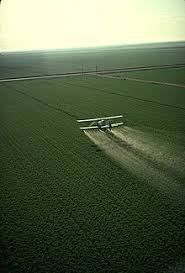
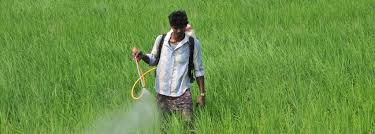
(4) Some agricultural scientists have begun to realise that chemical pesticides are not necessary. The tragedy is that this recognition has come much late - only after poisoning the lands, contaminating the ground water, polluting the environment, putting millions to health risk and fatalities, and killing thousands of farmers and farm workers. The World Health Organisation (WHO) estimates that some 20,000 people die every year from pesticides poisoning.
(5) With the advent of modern science, which began to view everything traditional as backward and sub-standard, the collective wisdom of generations of farmers was lost. The result being that while expensive and unwanted pesticides are being promoted and pushed by scientists and extension workers, farmers are looking for safe and ecological alternatives. Is it not a fact that the chemical industry, which gained commercially from the surge in widespread use, has very cleverly used agricultural scientists as its promoters?
(6) The chemical industry has meanwhile moved into life sciences. It now decries pesticides and sings the virtues of the new "promising technology"-genetic engineering. Pesticides are now being replaced with genetically modified crops, which perform the same functions, Agricultural scientista need to think whether they are once again being used as promoters of a technology, the negative impact of which have not been fully studied.




Also available in Hindi translation,
नोपेस्टीसाइड्स, अधिक फसलें
(1) 1999 में आंध्र प्रदेश के खम्मम जिले के एक छोटे से गांव पुनुकुला ने गैर-कीटनाशक प्रबंधन प्रथाओं के साथ सफलतापूर्वक प्रयोग करना शुरू किया। दूषित वातावरण बदलने लगा। मिट्टी और पौधों का स्वास्थ्य फिर से जीवंत हो गया, और कीट गायब होने लगे। पारिस्थितिक संतुलन बहाल करने से प्राकृतिक कीट नियंत्रण प्रणाली वापस आ गई। फसल की पैदावार अभी भी अधिक थी। पुनुकुला एकमात्र गांव नहीं है जो जहर के दुष्चक्र से बच गया है। देश के हजारों गांवों ने स्पष्ट रूप से प्रदर्शित किया है कि कीटनाशक न केवल हानिकारक हैं बल्कि अनावश्यक भी हैं। बांग्लादेश में, ४,००० रुपये प्रति वर्ष की औसत कृषि आय वाले २,००० गरीब चावल किसानों ने
(७) मेनलाइन कृषि वैज्ञानिकों को पूरी तरह से गलत साबित कर दिया है। मनीला के इंटरनेशनल राइस रिसर्च इंस्टीट्यूट (आईआरआरआई) के वरिष्ठ वैज्ञानिक गैरी जॉन महज दो साल में आए बदलाव से पूरी तरह स्तब्ध हैं। "मेरे आश्चर्य के लिए जब लोगों ने छिड़काव बंद कर दिया, तो पैदावार में गिरावट नहीं आई - और यह चार मौसमों में दो अलग-अलग जिलों में 600 खेतों में था। मुझे विश्वास है कि चावल किसानों द्वारा उपयोग किए जाने वाले कीटनाशकों का विशाल बहुमत समय की पूरी बर्बादी है और पैसे।"
(३) बांग्लादेश के चावल किसानों ने निर्णायक रूप से प्रदर्शित किया कि कीटनाशकों को समाप्त किया जा सकता है और पैदावार कम किए बिना नाइट्रोजन उर्वरक अनुप्रयोगों को कम किया जा सकता है।
(४) कुछ कृषि वैज्ञानिकों ने यह महसूस करना शुरू कर दिया है कि रासायनिक कीटनाशक आवश्यक नहीं हैं। त्रासदी यह है कि यह मान्यता बहुत देर से आई है - केवल भूमि को जहर देने, भूजल को दूषित करने, पर्यावरण को प्रदूषित करने, लाखों लोगों को स्वास्थ्य जोखिम और मृत्यु दर, और हजारों किसानों और खेत श्रमिकों को मारने के बाद। विश्व स्वास्थ्य संगठन (डब्ल्यूएचओ) का अनुमान है कि हर साल लगभग 20,000 लोग कीटनाशकों के जहर से मर जाते हैं।
(५) आधुनिक विज्ञान के आगमन के साथ, जो पारंपरिक हर चीज को पिछड़ा और घटिया मानने लगा, किसानों की पीढ़ियों का सामूहिक ज्ञान खो गया। इसका परिणाम यह है कि जहां महंगे और अवांछित कीटनाशकों को वैज्ञानिकों और विस्तार कार्यकर्ताओं द्वारा बढ़ावा दिया जा रहा है, वहीं किसान सुरक्षित और पारिस्थितिक विकल्पों की तलाश कर रहे हैं। क्या यह सच नहीं है कि रासायनिक उद्योग, जिसने व्यापक उपयोग में वृद्धि से व्यावसायिक रूप से लाभ प्राप्त किया है, ने बड़ी चतुराई से कृषि वैज्ञानिकों को अपने प्रवर्तक के रूप में उपयोग किया है?
(६) रासायनिक उद्योग इस बीच जीवन विज्ञान में स्थानांतरित हो गया है। यह अब कीटनाशकों का विरोध करता है और नई "आशाजनक तकनीक" -जेनेटिक इंजीनियरिंग के गुणों को गाता है। कीटनाशकों को अब आनुवंशिक रूप से संशोधित फसलों के साथ प्रतिस्थापित किया जा रहा है, जो समान कार्य करते हैं, कृषि वैज्ञानिकों को यह सोचने की जरूरत है कि क्या उन्हें एक बार फिर से एक प्रौद्योगिकी के प्रमोटर के रूप में उपयोग किया जा रहा है, जिसके नकारात्मक प्रभाव का पूरी तरह से अध्ययन नहीं किया गया है।



Comments