
SOCIETY OF BEES
- dhruvkumar37890
- Jun 4, 2021
- 4 min read
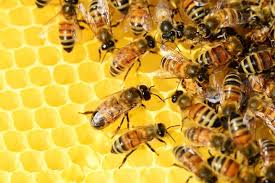
(1) Not all bees are busy. Drones, the males of the hive, make up only five percent of the population. Their sole task is eventually to mate with the queen, and they are so lazy that they have to be fed hy solicitous sisters who function as nurse been.
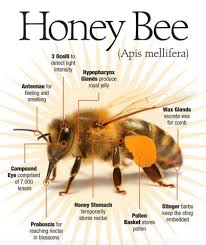
(2) The queen, the largest female, alone can lay eggs, and thus replenish the population. She is fed roval jelly, a substance produced by a special "feeding" gland in the nurse bee's head.
(3) The queen is almost a prisoner in the hive. Adult at little more than two weeks of age, ahe will probably make two to four nuptial flights. Several kilometers from the hive, she flies at a height of six to 30 metres, her chemical-attractant scent drawing the colony's lusty drones in hot pursuit. Mating with several drones that die of shock in the process, the queen is impregnated by as many as five million sperm. Although she may live for five years and continue to produce workers during that time, she will never mate again. Potential competitive queens, in the form of royal larvae, are killed by the reigning queen herself.
(4) The queen lays her eggs in the brood area of the hive. These eggs become tiny, white, grub-like larvae in two or three days. The nurses feed the newborn larvae royal jelly for two days; then they switch to "bee bread," a honey and pollen mixture. Twelve days later, the winged worker emerges, the entire metamorphosis from egg to bee taking just 21 days. (5) A queen bee lays fertilized and unfertilized eggs - and both hatch. The fertilized eggs are all females, containing genes from both the queen, and the drones who mated with her. Unfertilized eggs produce males, which inherit their genes only from the queen bee.
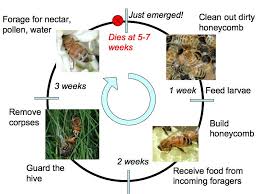
(6) The bees that emerge from the pupa stage as winged females perform such menial functions as cleaning cells, ventilating the hive and collecting debris. At three weeks, they are ready for full participation in their central mission-making honey.
(7) For more than 4,500 years humans have been utilizing bees for their honey and wax. Beewax was man's only wax for centuries, giving us our first candles. Egyptians utilized it for embalming. Currently beeswax is used not just in candles but also in furniture wax, cosmetics, pharmaceuticals and dental impressions.
(8) As useful as these products are, however, bees make an even more important contribution to our economy. In the process of gathering nectar, they brush against reproductive organs of blossoms, effecting pollination. Plants and trees depend upon, or benefit from, such pollination by insects, mostly bees. (9) Thus, the industrious sisters of the hive are working for us all.
ALSO AVAILABLE IN HINDI TRANSLATION;
(१) सभी मधुमक्खियाँ व्यस्त नहीं होती हैं। ड्रोन, छत्ते के नर, जनसंख्या का केवल पांच प्रतिशत बनाते हैं। उनका एकमात्र काम अंततः रानी के साथ संभोग करना है, और वे इतने आलसी हैं कि उन्हें नर्स के रूप में काम करने वाली उत्साही बहनों को खाना खिलाना पड़ता है।
(२) रानी, सबसे बड़ी महिला, अकेले अंडे दे सकती है, और इस तरह जनसंख्या की भरपाई कर सकती है। उसे रोवल जेली खिलाया जाता है, नर्स मधुमक्खी के सिर में एक विशेष "खिला" ग्रंथि द्वारा उत्पादित पदार्थ।
(३) रानी छत्ते में लगभग एक कैदी है। दो सप्ताह से कम उम्र में वयस्क, वह शायद दो से चार विवाह योग्य उड़ानें करेगा। छत्ते से कई किलोमीटर की दूरी पर, वह छह से 30 मीटर की ऊंचाई पर उड़ती है, उसकी रासायनिक-आकर्षक गंध कॉलोनी के आकर्षक ड्रोन को गर्म खोज में खींचती है। इस प्रक्रिया में सदमे से मरने वाले कई ड्रोन के साथ, रानी को पांच मिलियन शुक्राणुओं द्वारा गर्भवती किया जाता है। हालाँकि वह पाँच साल तक जीवित रह सकती है और उस समय के दौरान श्रमिकों का उत्पादन जारी रख सकती है, वह फिर कभी नहीं मिलेगी। संभावित प्रतिस्पर्धी रानियों, शाही लार्वा के रूप में, स्वयं राज करने वाली रानी द्वारा मार दी जाती हैं।
(४) रानी अपने अंडे छत्ते के ब्रूड क्षेत्र में देती है। ये अंडे दो या तीन दिनों में छोटे, सफेद, ग्रब जैसे लार्वा बन जाते हैं। नर्सें नवजात लार्वा को दो दिनों तक शाही जेली खिलाती हैं; फिर वे "मधुमक्खी की रोटी," एक शहद और पराग मिश्रण में बदल जाते हैं। बारह दिन बाद, पंखों वाला कार्यकर्ता निकलता है, अंडे से मधुमक्खी तक का पूरा कायापलट सिर्फ 21 दिनों में होता है। (५) एक रानी मधुमक्खी निषेचित और निषेचित अंडे देती है - और दोनों अंडे देती हैं। निषेचित अंडे सभी मादा होते हैं, जिनमें रानी और उसके साथ संभोग करने वाले ड्रोन दोनों के जीन होते हैं। निषेचित अंडे नर पैदा करते हैं, जो अपने जीन केवल रानी मधुमक्खी से प्राप्त करते हैं।
(६) मधुमक्खियाँ जो प्यूपा अवस्था से पंखों वाली मादा के रूप में निकलती हैं, वे कोशिकाओं की सफाई, छत्ते को हवादार करने और मलबे को इकट्ठा करने जैसे काम करती हैं। तीन सप्ताह में, वे अपने केंद्रीय मिशन बनाने वाले शहद में पूर्ण भागीदारी के लिए तैयार हैं।
(७) ४,५०० से अधिक वर्षों से मनुष्य अपने शहद और मोम के लिए मधुमक्खियों का उपयोग कर रहे हैं। बीवैक्स सदियों से मनुष्य का एकमात्र मोम था, जिसने हमें हमारी पहली मोमबत्तियां दीं। मिस्रवासियों ने इसका उपयोग उत्सर्जन के लिए किया। वर्तमान में मोम का उपयोग न केवल मोमबत्तियों में बल्कि फर्नीचर मोम, सौंदर्य प्रसाधन, फार्मास्यूटिकल्स और दंत छापों में भी किया जाता है।
(८) हालाँकि, ये उत्पाद जितने उपयोगी हैं, मधुमक्खियाँ हमारी अर्थव्यवस्था में और भी महत्वपूर्ण योगदान देती हैं। अमृत इकट्ठा करने की प्रक्रिया में, वे फूलों के प्रजनन अंगों के खिलाफ ब्रश करते हैं, परागण को प्रभावित करते हैं। पौधे और पेड़ कीड़ों, ज्यादातर मधुमक्खियों द्वारा ऐसे परागण पर निर्भर करते हैं, या इससे लाभान्वित होते हैं। (९) इस प्रकार छत्ते की मेहनती बहनें हम सभी के लिए काम कर रही हैं।



Comments